

Common Mistakes That Delay Clear Aligner Results
Introduction
Many patients are surprised to learn that treatment success depends not only on the aligners themselves, but also on daily habits and consistency throughout treatment. You may have the right aligners, an experienced dentist, and a carefully planned treatment, but your daily habits can still determine how quickly you reach your final results.
Even with digitally planned systems such as Sagalign and regular professional supervision, certain mistakes can delay tooth movement and affect overall treatment progress. In many cases, small habits repeated over time can have a significant impact on the final results.
In this article, we will discuss:
- Common mistakes that delay clear aligner results
- How these habits affect treatment progress
- What patients can do to keep treatment on track
- Why regular monitoring is important during treatment
Why Clear Aligner Results Sometimes Take Longer
Clear aligner treatment is designed to move teeth gradually through a series of carefully planned stages. While modern digital planning has made orthodontic treatment more predictable than ever, achieving the desired results still depends heavily on patient cooperation throughout the process.
Consistent aligner wear, proper oral hygiene, and regular follow-up appointments all play an important role in keeping treatment on track. In fact, many delays are not caused by the aligners themselves, but by everyday habits that interfere with the planned tooth movements. Understanding these common mistakes can help patients achieve their results more efficiently and avoid unnecessary extensions to treatment time.
Common Mistakes That Delay Clear Aligner Results
Not Wearing Aligners Long Enough
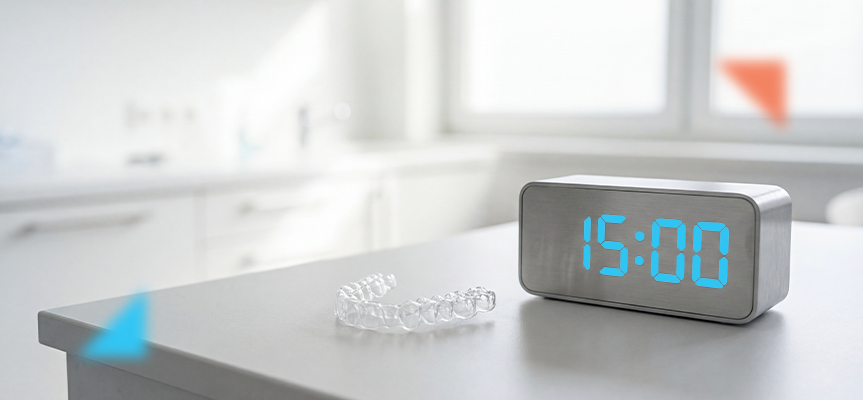
One of the most common reasons for delayed treatment is inconsistent aligner wear. Most patients are advised to wear aligners for around 20–22 hours daily, removing them only for eating and oral hygiene.
Frequent removal can slow tooth movement and affect how the aligners fit over time.
Forgetting to Change Aligners on Schedule
Each aligner is designed to move the teeth gradually according to a planned sequence. Changing aligners too early or too late may affect treatment progression and lead to tracking problems.
Patients should always follow the schedule recommended by their dentist or orthodontist.
Skipping Follow-Up Appointments
Regular follow-up visits allow the dentist to monitor tooth movement and identify problems early. Missing appointments may delay adjustments or refinements needed during treatment.
Many clinics use systems such as Sagalign and follow structured monitoring protocols to help maintain treatment accuracy throughout the aligner process.
Eating or Drinking with Aligners On
Eating while wearing aligners may damage or stain them. Sugary or acidic drinks trapped inside the aligners may also increase the risk of plaque buildup and enamel problems.
Most dentists recommend removing aligners during meals and drinks other than water.
Poor Cleaning Habits
Aligners should be cleaned regularly to maintain hygiene and clarity. Poor cleaning habits may lead to discoloration, unpleasant odor, and bacterial buildup.
Patients should also avoid exposing aligners to very hot water, as heat may distort the material and affect aligner fit.
Losing or Damaging Aligners
Cracked, warped, or lost aligners can interrupt treatment progression and delay tooth movement. Aligners should always be stored safely when removed to reduce the risk of damage or loss.
Ignoring Retainer Instructions After Treatment
Completing aligner treatment does not mean orthodontic care is finished. Retainers help maintain the final results and reduce the risk of teeth shifting back over time.
Not wearing retainers properly may gradually affect treatment outcomes after completion.
How to Maintain and Protect Your Clear Aligners
Step 1: Remove Aligners Before Eating
Always remove clear aligners before meals to prevent staining, cracks, or damage from chewing forces.
Step 2: Rinse After Removal
Rinse the aligners with cool or lukewarm water whenever they are removed to prevent saliva and plaque buildup.
Step 3: Clean Them Daily
Brush the aligners gently with a soft toothbrush and mild, non-abrasive soap. Avoid toothpaste, as it may scratch the aligner surface.
Step 4: Store Them in Their Case
When not in use, keep aligners in their protective case to avoid loss, contamination, or accidental damage.
Step 5: Avoid Heat
Do not wash aligners with hot water or leave them near heat, as high temperatures can distort their shape.
Step 6: Maintain Oral Hygiene
Brush and floss before reinserting aligners to prevent plaque, odor, and tooth discoloration.
Step 7: Follow Your Dentist’s Instructions
Wear and change aligners according to your dentist’s schedule to keep treatment progressing as planned.
Common Habits: On Track vs Delayed Treatment
|
Habit |
Helps Keep Treatment on Track |
May Delay Treatment |
|
Aligner wear |
20–22 hours daily |
Frequently removing aligners |
|
Aligner changes |
Following the recommended schedule |
Changing aligners too early or too late |
|
Follow-up appointments |
Attending scheduled visits |
Skipping appointments |
|
Oral hygiene |
Cleaning aligners and teeth regularly |
Poor cleaning habits |
|
Eating habits |
Removing aligners before meals |
Eating with aligners on |
|
Retainer use |
Wearing retainers as instructed |
Ignoring retention instructions |
How Modern Clinics Help Monitor Treatment Progress
Many modern orthodontic clinics now use digitally planned workflows and structured monitoring systems to help track treatment progress more accurately. Systems such as Sagalign support clinics with digitally guided treatment planning and regular monitoring protocols throughout the aligner journey.
This helps dentists identify treatment issues earlier and maintain more consistent orthodontic supervision.
Tips to Keep Treatment on Track
While some factors are beyond the patient's control, many treatment delays can be prevented through consistent aligner wear and proper care. Patients can help keep their treatment on track by:
- Wearing aligners for the recommended number of hours each day
- Attending scheduled follow-up appointments
- Keeping aligners clean and well-maintained
- Following their dentist’s instructions carefully
- Wearing retainers as instructed after treatment
Small daily habits may seem insignificant, but they often play a major role in determining how efficiently treatment progresses and how closely the final results match the original treatment plan.
Frequently Asked Questions
Why do clear aligner treatments sometimes take longer than expected?
Treatment delays are often related to inconsistent aligner wear, missed appointments, or poor compliance with the dentist’s instructions.
What happens if I forget to wear my aligners?
Occasional short periods may not cause major problems, but repeated inconsistent wear can affect tooth movement and delay results.
Can damaged aligners affect treatment?
Yes. Cracked or distorted aligners may affect how the teeth move and reduce treatment accuracy.
Why are follow-up appointments important?
Regular appointments help dentists monitor progress and identify treatment issues before they become more significant.
Do retainers still matter after treatment?
Yes. Retainers help maintain the final results and reduce the risk of teeth shifting after treatment is completed.
How Sagalign Clear Aligners Support Patients Throughout Treatment
Sagalign is a clear aligner system developed in Iraq by 3D Masters to provide digitally planned orthodontic treatment and ongoing support throughout the aligner journey. In addition to creating personalized treatment plans, Sagalign focuses on helping patients stay informed, consistent, and engaged during treatment.
To support treatment success, Sagalign provides educational content, treatment guidance, and digital resources through its website, mobile applications, and online platforms. These tools help patients better understand aligner wear, oral hygiene, aligner care, and other important aspects of treatment, reducing the risk of common mistakes that may delay results.
By combining digital treatment planning with continuous patient education and support, Sagalign helps create a more organized and predictable treatment experience from start to finish.
Conclusion
Clear aligner treatment can provide highly effective orthodontic results when patients follow treatment instructions consistently. However, habits such as inconsistent aligner wear, poor cleaning, and missed appointments may delay treatment progress and affect final outcomes.
Through digitally planned workflows and structured monitoring protocols, modern aligner systems such as Sagalign continue to support more organized and professionally supervised orthodontic treatment experiences.
Ready to Start Your Clear Aligner Journey?
Contact Sagalign to find licensed dentists and orthodontic professionals across Iraq offering digitally planned clear aligner treatment with structured supervision and modern orthodontic workflows.